



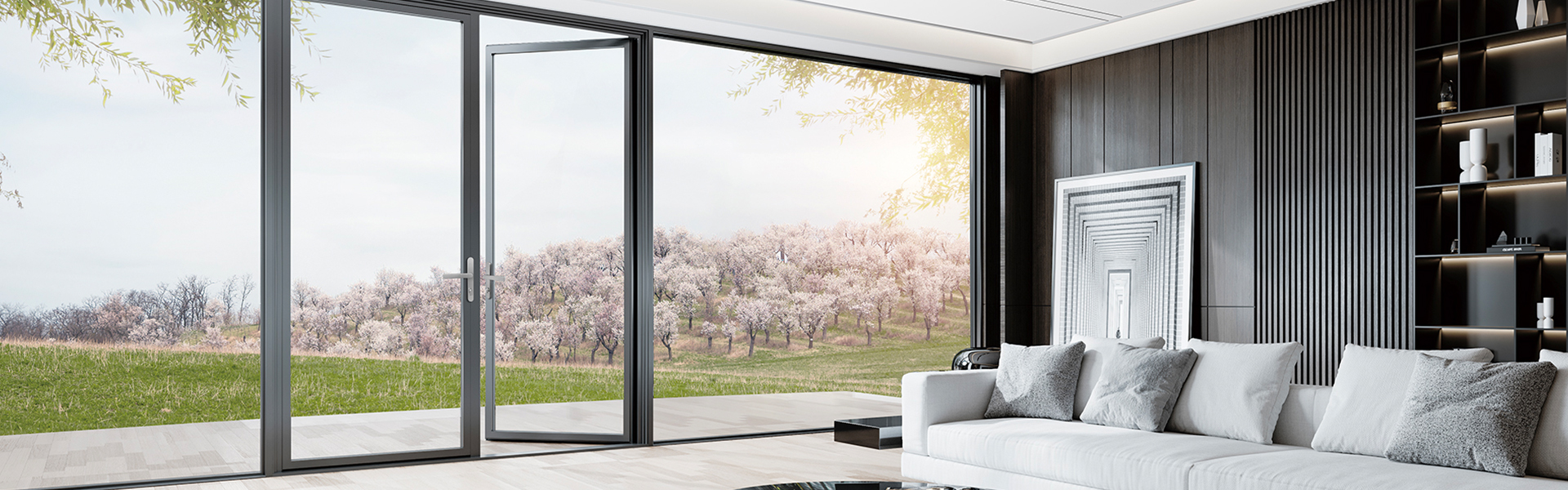
Small apartment and old house renovations often face the dilemma of narrow doorways and cramped corridors. Conventional doors tend to block passageways and cause frequent collisions after installation, making spaces look cramped and cramped. Swing doors and pocket sliding doors are the two mainstream options for compact entryways, bathrooms, kitchens and walk-in closets. They differ greatly in structure, usage experience and applicable scenarios. A proper choice optimizes limited space, while an improper selection hinders daily movement. This article compares the two door types for narrow spaces to help you make sensible decisions.
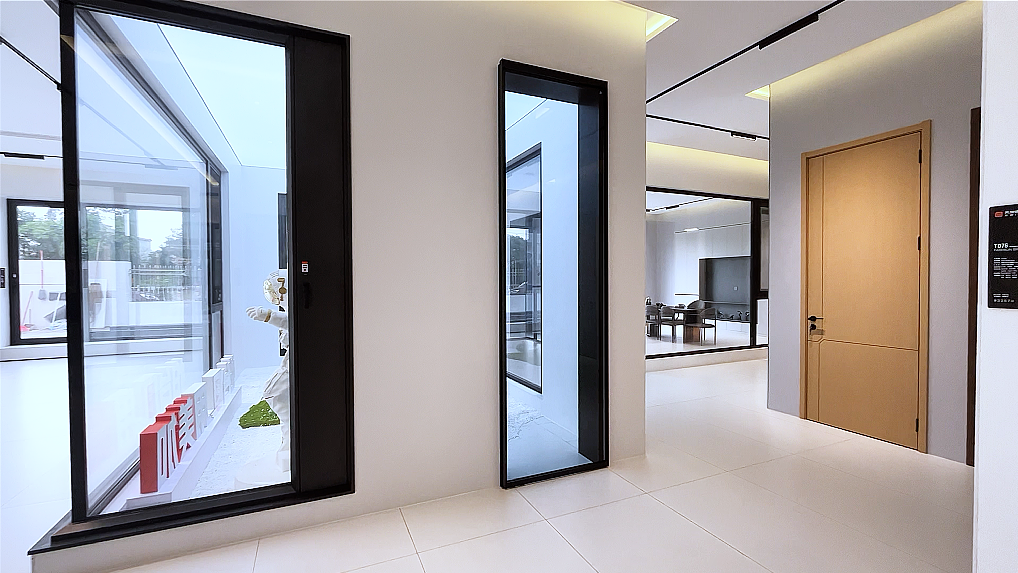
The swing door is a classic and widely adopted household door type with mature structure and reliable practicality, suitable for most standard spaces. It opens and closes rotationally via side hinges, featuring stable structure and superior airtightness. Rotational movement requires ample clearance around the doorway, which becomes its major drawback in narrow spaces. For corridors less than one meter wide, compact entry vestibules and narrow kitchen and bathroom entrances, fully opened swing doors occupy passage space, further crowding the area. Collisions easily occur during daily walking and item handling, posing potential safety risks to the elderly and children.
The pocket sliding door is an invisible sliding door customized for small spaces and minimalist decoration, effectively solving space constraints and gaining huge popularity in modern compact housing design. Different from ordinary sliding doors, it adopts concealed track design with all tracks, pulleys and hardware hidden inside doors and walls, presenting a sleek appearance with no exposed fittings. Its core advantage lies in zero occupation of corridor space. The horizontal sliding opening mode eliminates rotational clearance requirements, ensuring unobstructed passage and avoiding collisions even in extremely narrow doorways and corridors.
Most pocket sliding doors feature trackless floor design with smooth ground surfaces. The tidy look facilitates cleaning and prevents dust accumulation and tripping hazards. Compatible with minimalist, log and light luxury decoration styles, it visually expands indoor space. As a sliding structure, it cannot achieve full closure with relatively wider gaps, resulting in weaker sound insulation, moisture resistance, odor isolation and privacy performance. Besides, it adopts sophisticated hardware with higher manufacturing costs and strict installation standards, bringing relatively complicated subsequent maintenance.